
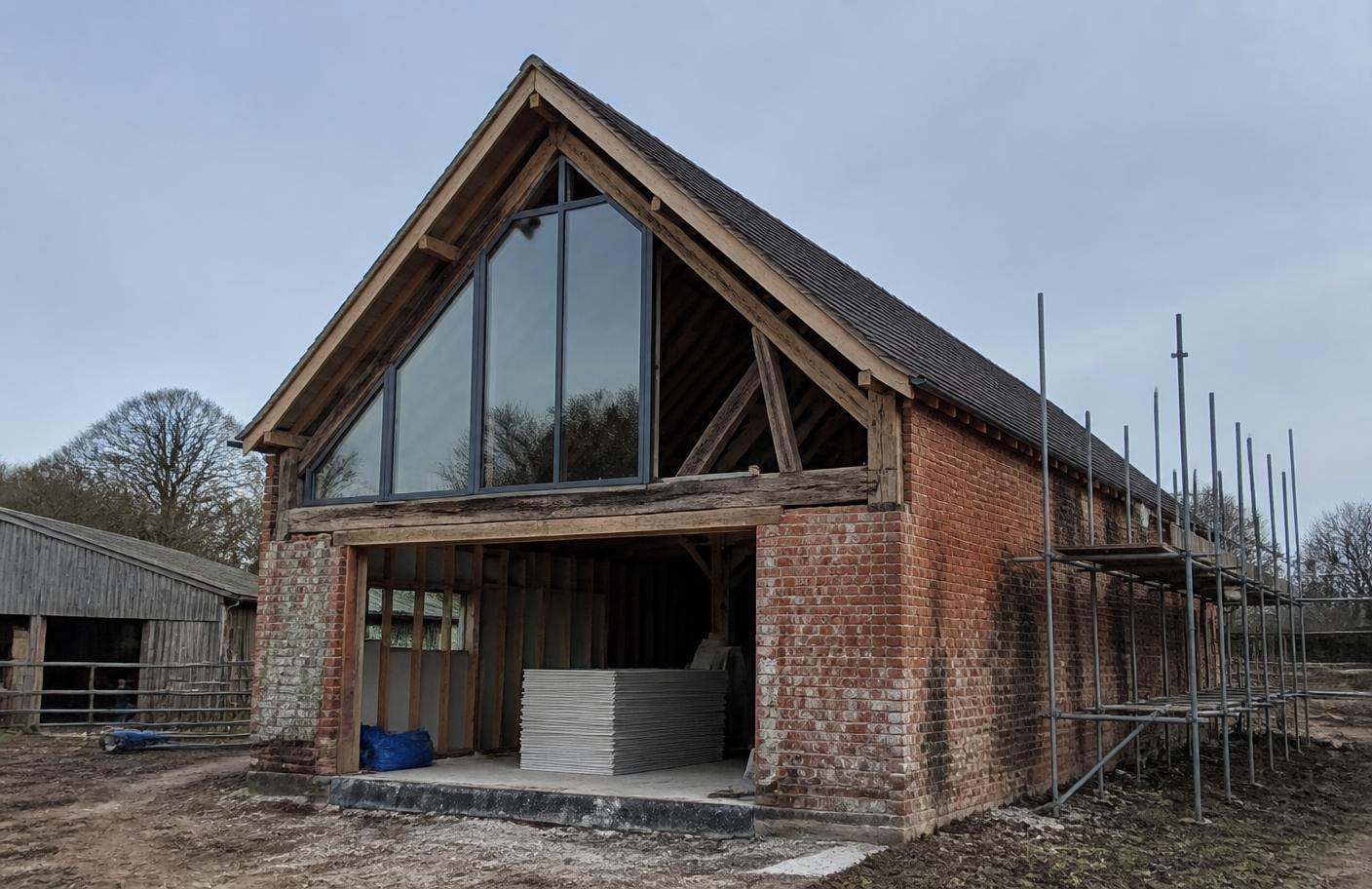


What counts as a material change of use
Building regulations treat certain changes as material changes of use, which brings requirements that would not otherwise apply to an existing building. Creating a dwelling, creating flats, and changes involving hotels, institutions and public buildings are among them. Part L then applies to the building in its new use, with the extent depending on what is being changed and what is practical.
Retained, renovated and new elements
Existing thermal elements that are retained, elements that are being renovated, and entirely new elements are held to different standards. A retained solid wall may not be required to reach the standard for new construction, but a wall being re-lined internally is likely to be treated as renovated and expected to improve to a defined level unless there is a good reason it cannot. Getting these categories right at the start avoids both over-specification and a refusal.
- New elements: the standard for new construction
- Renovated elements: improvement to the level for renovation, where feasible
- Retained elements: assessed for what is reasonable in the building
- Controlled fittings: windows, doors and services to their own standards
When compliance is not technically or functionally feasible
Part L recognises that some improvements are not reasonable in an existing building, whether because of structure, moisture risk, heritage significance or the loss of usable space. That is a case to be made with reasons, not a blanket exemption, and the building control body decides. We set out what has been considered, why it was rejected and what is being done instead, which is what turns a constraint into an accepted position.
Commercial to residential
Office and commercial buildings converted to flats are common and rarely simple. Deep plans, large glazed areas, existing structural slabs and shared plant all limit the options, and the building may be moving from SBEM to SAP with none of the original data available. These schemes benefit most from modelling at the earliest design stage, when the unit layout is still movable.