Part L 2026 — the Building Regulations changes that deliver the Future Homes and Buildings Standards — was published on 24 March 2026 and comes into force on 24 March 2027 for work that is not higher-risk building work, and on 24 September 2027 for higher-risk building work. It adds a new functional requirement, L3, for on-site renewable electricity generation in new dwellings and buildings containing dwellings, reframes Part L around reducing greenhouse gas emissions as well as conserving energy, and brings lifts, escalators and moving footways in new buildings into the definition of fixed building services. Schemes already in the system can normally continue under Part L 2021 through the transitional arrangements.
AD L Volumes 1 and 2, AD F Volume 1, Circular 01/2026
In force (non-HRB)
24 March 2027
In force (HRB work)
24 September 2027
New requirement
L3 — on-site renewable electricity generation
Documents revised
8 September 2026
Minor corrections notified by Circular 04/2026
Who runs your contract
Awais Sarwar, MSc — Accredited Energy Assessor
Awais is an accredited domestic and commercial energy assessor and the owner of Team EPC Ltd, which trades as Part L Consultant. He has surveyed and lodged EPCs across flats, houses, HMOs, managed portfolios and commercial premises throughout London and the Home Counties, and is currently studying an MSc in philosophy alongside running the business.
EPC Register
Accredited assessor
MSc
Built environment
MSc Philosophy
Currently studying
10+ years
London property
Part L focus
Design to as-built
Off the clock: cricket, family time, an MSc in philosophy in progress and finding London's best food.
The Building Regulations etc. (Amendment) (England) Regulations 2026 (SI 2026/335) were made on 23 March 2026 and laid before Parliament on 24 March 2026. Alongside them, the Government published the 2026 editions of Approved Document L (Energy and greenhouse gas emissions) Volumes 1 and 2, Approved Document F (Ventilation) Volume 1, and Building Circular 01/2026, which explains how the changes and the transitional arrangements are intended to work. The Approved Documents were revised on 8 September 2026 to correct minor errors, notified by Circular 04/2026, so it is worth checking you are working from the current GOV.UK versions rather than a copy downloaded in the spring.
The dates that matter
There are three dates to hold in your head: publication, commencement for ordinary work, and commencement for higher-risk building work. Publication does not change what building control will assess — it starts the clock and tells the industry what is coming. Commencement is when the new standard applies to work notified from that point onwards.
Milestone
Date
Applies to
Published
24 March 2026
AD L Volumes 1 and 2, AD F Volume 1, SI 2026/335
Documents revised
8 September 2026
Minor corrections to AD L1, L2 and F1
In force
24 March 2027
Work that is not higher-risk building work
In force
24 September 2027
Higher-risk building work and work to an existing HRB
Part L 2026 commencement dates in England
Shared company experience
Real buildings. Relevant experience.
Selected work delivered by our sister companies, Team EPC and Fire Risk Specialists. Every card names the business responsible; these are not presented as Part L commissions.
Team EPC
Wembley, London
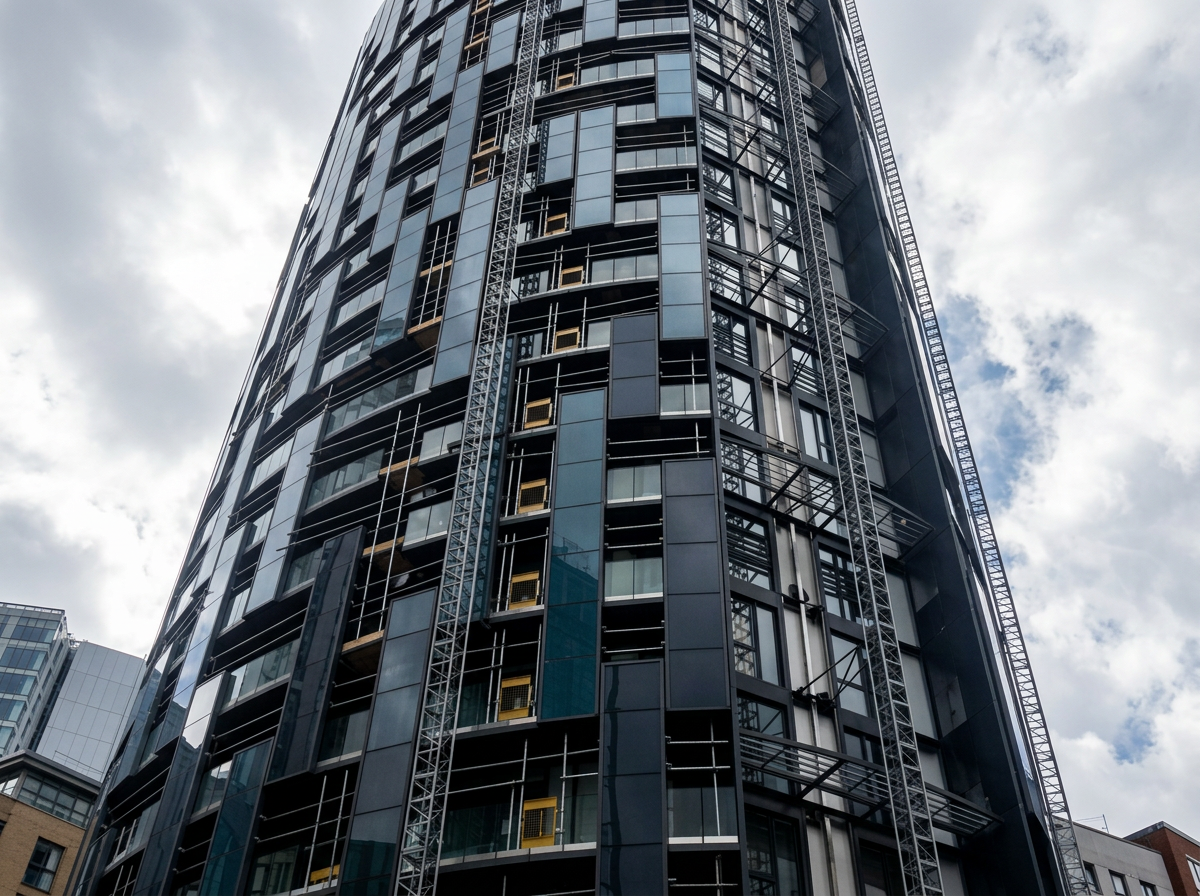
Pinnacle Tower
Delivered by Team EPCBulk domestic EPC programme
“A tower-wide programme, coordinated as one instruction.”
Team EPC
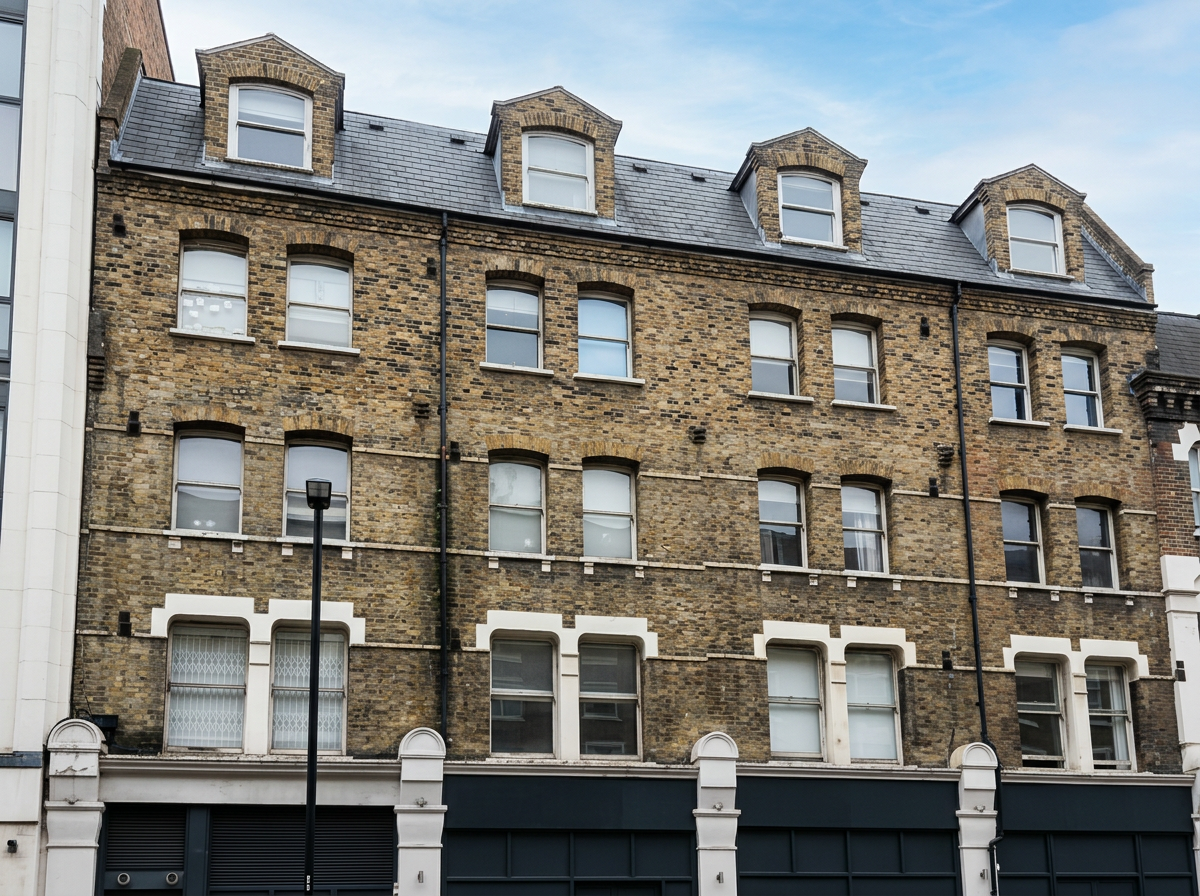
Central London
City Deal Estates
Delivered by Team EPCManaged portfolio energy assessments
“Period properties reviewed building by building.”
Fire Risk Specialists
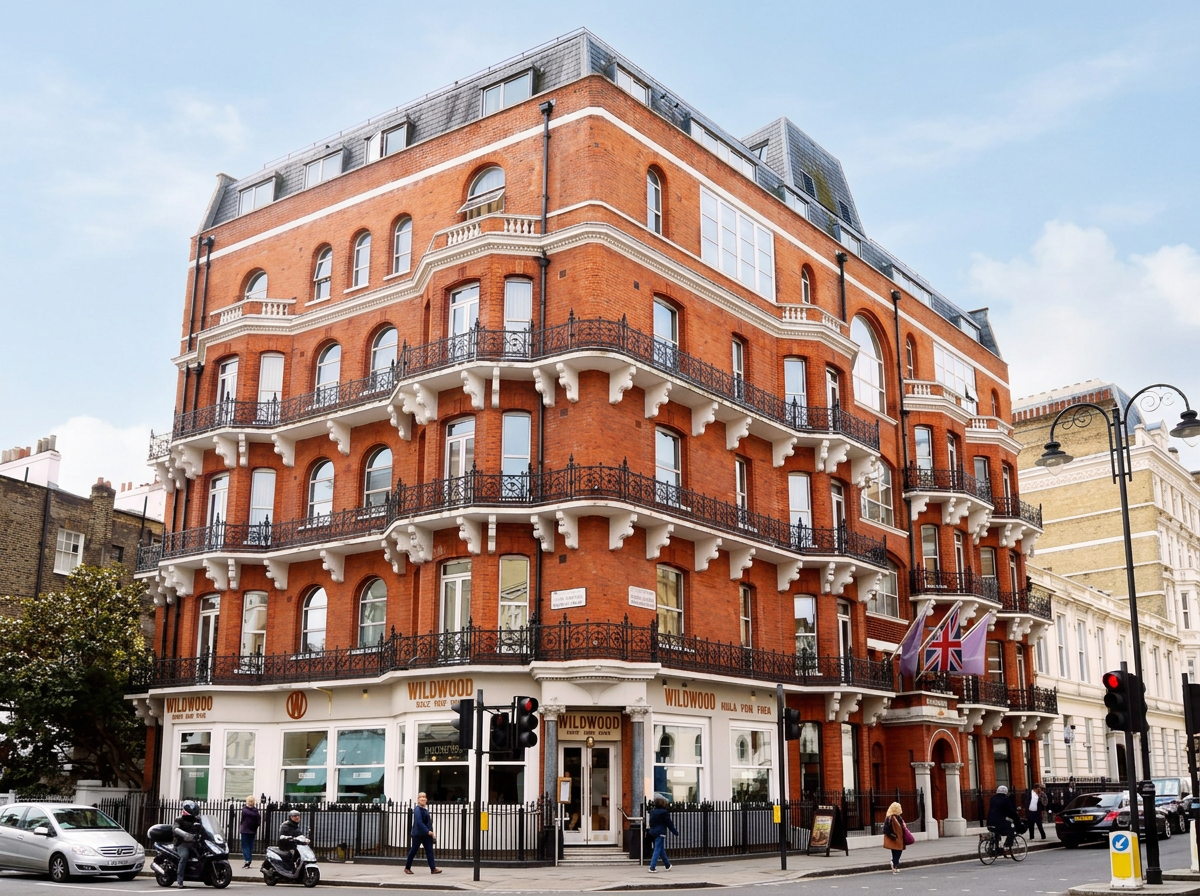
South Kensington, London
1 Harrington Gardens
Delivered by Fire Risk SpecialistsLuxury serviced apartments
“48 apartments. One coordinated fire risk assessment.”
Fire Risk Specialists
Colindale, North London
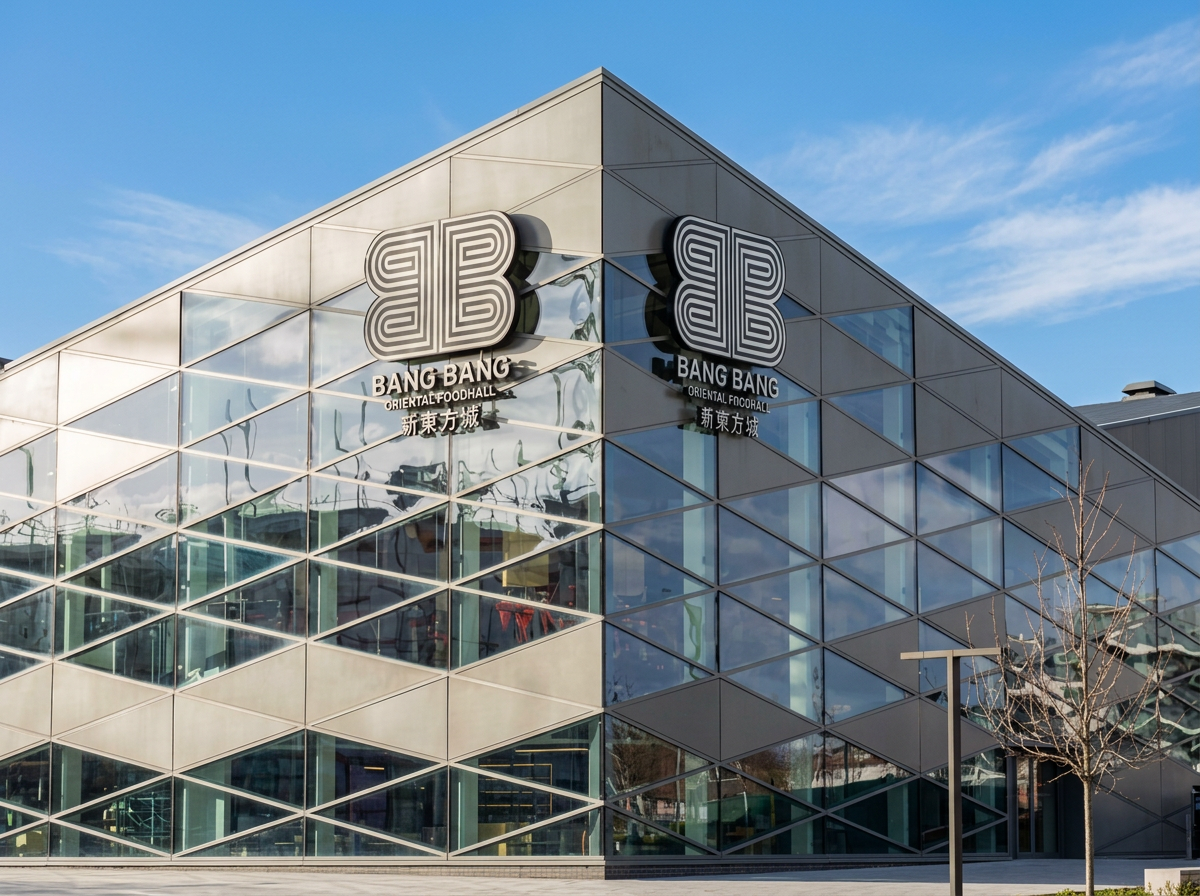
Bang Bang Oriental
Delivered by Fire Risk Specialists32,000 sq ft food hall
“25+ kiosks. High footfall. One rigorous assessment.”
The new functional requirement: L3
The headline addition is a new functional requirement, L3, covering on-site renewable electricity generation for new dwellings and buildings containing dwellings. In practice this means solar PV becomes an expected part of a new housing scheme rather than an optional way of closing a shortfall in the calculation. The requirement itself is confirmed in the Regulations and Circular 01/2026. Specific sizing rules are set out in Approved Document L Volume 1, and we deliberately do not quote a percentage figure here until we can point you at the exact clause in the current version of the document — several figures circulating in the industry come from the consultation rather than the published guidance.
The other changes worth knowing about
Beyond L3, the Regulations make a set of changes that quietly affect how schemes are designed and evidenced. Part L is reframed around reducing greenhouse gas emissions as well as conserving fuel and power. Lifts, escalators and moving footways in new buildings are brought into the definition of fixed building services, which means their efficiency and commissioning fall within scope. And a new regulation 40C requires information to be provided to the owner of a new home.
Part L reframed around greenhouse gas emissions as well as energy conservation
Lifts, escalators and moving footways in new buildings treated as fixed building services
New regulation 40C — information for new-home owners
Guidance added on heat network compliance routes
Guidance on limiting heat loss from low-carbon heating systems
Minimum services efficiencies and heat pump controls
Commissioning and certification of fixed building services
The Home User Guide
What it means for a scheme you are designing now
If your building notice, initial notice or full plans application goes in before 24 March 2027 and work on that building starts before 24 March 2028, Part L 2021 can still be used for that building. That is genuinely useful, but it is a building-by-building test rather than a scheme-wide one, so a large phased site can straddle both standards. The practical answer is to model early: run a design-stage calculation against 2021 and sense-check the fabric and heating strategy against the direction of the 2026 standard, so that any plots that fall the wrong side of the date do not need redesigning late.
What we are not telling you yet
There is a lot of confident commentary about Part L 2026 that traces back to the consultation rather than the published documents. The carbon saving often quoted for new homes, the exact solar PV sizing rule, and the timetable for the Home Energy Model replacing SAP are all things we hold in our facts register as unverified until a primary source confirms them. We would rather give you a shorter answer that holds up in front of a building control body than a longer one you have to walk back.