Part L transitional arrangements: which standard applies to your build
The transitional rules decide whether a plot is assessed under Part L 2021 or Part L 2026. They apply building by building — and that catches people out.
For work that is not higher-risk building work, Part L 2021 can still be used where a building notice, initial notice or full plans application was given before 24 March 2027 and work on that building starts before 24 March 2028. The protection applies building by building, not scheme by scheme, so on a phased site some plots can sit under Part L 2021 while later plots fall under Part L 2026. For higher-risk building work, the changes do not apply where a valid building control approval application was submitted to the Building Safety Regulator before 24 September 2027 and has not been rejected.
Awais is an accredited domestic and commercial energy assessor and the owner of Team EPC Ltd, which trades as Part L Consultant. He has surveyed and lodged EPCs across flats, houses, HMOs, managed portfolios and commercial premises throughout London and the Home Counties, and is currently studying an MSc in philosophy alongside running the business.
EPC Register
Accredited assessor
MSc
Built environment
MSc Philosophy
Currently studying
10+ years
London property
Part L focus
Design to as-built
Off the clock: cricket, family time, an MSc in philosophy in progress and finding London's best food.
The transitional arrangement for ordinary work has two limbs, and both must be satisfied for a building to stay under Part L 2021. First, a building notice, initial notice or full plans application must have been given before 24 March 2027. Second, work on that building must start before 24 March 2028. Miss either and the building is assessed against Part L 2026.
How the non-HRB transitional test runs
Before 24 March 2027
Building notice, initial notice or full plans application given to the building control body.
Before 24 March 2028
Work starts on that specific building.
Outcome
That building can be assessed under Part L 2021.
If either is missed
That building is assessed under Part L 2026.
Shared company experience
Real buildings. Relevant experience.
Selected work delivered by our sister companies, Team EPC and Fire Risk Specialists. Every card names the business responsible; these are not presented as Part L commissions.
Team EPC
Wembley, London
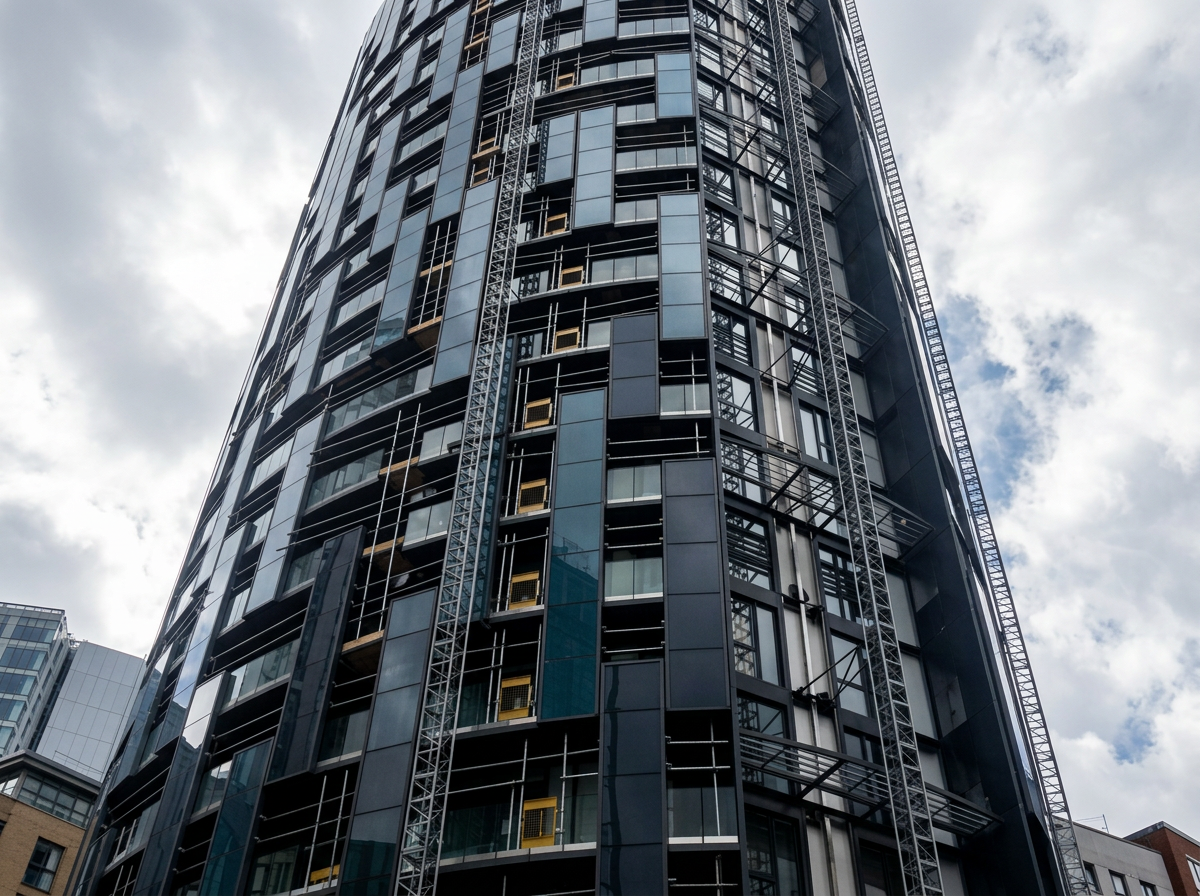
Pinnacle Tower
Delivered by Team EPCBulk domestic EPC programme
“A tower-wide programme, coordinated as one instruction.”
Team EPC
Central London
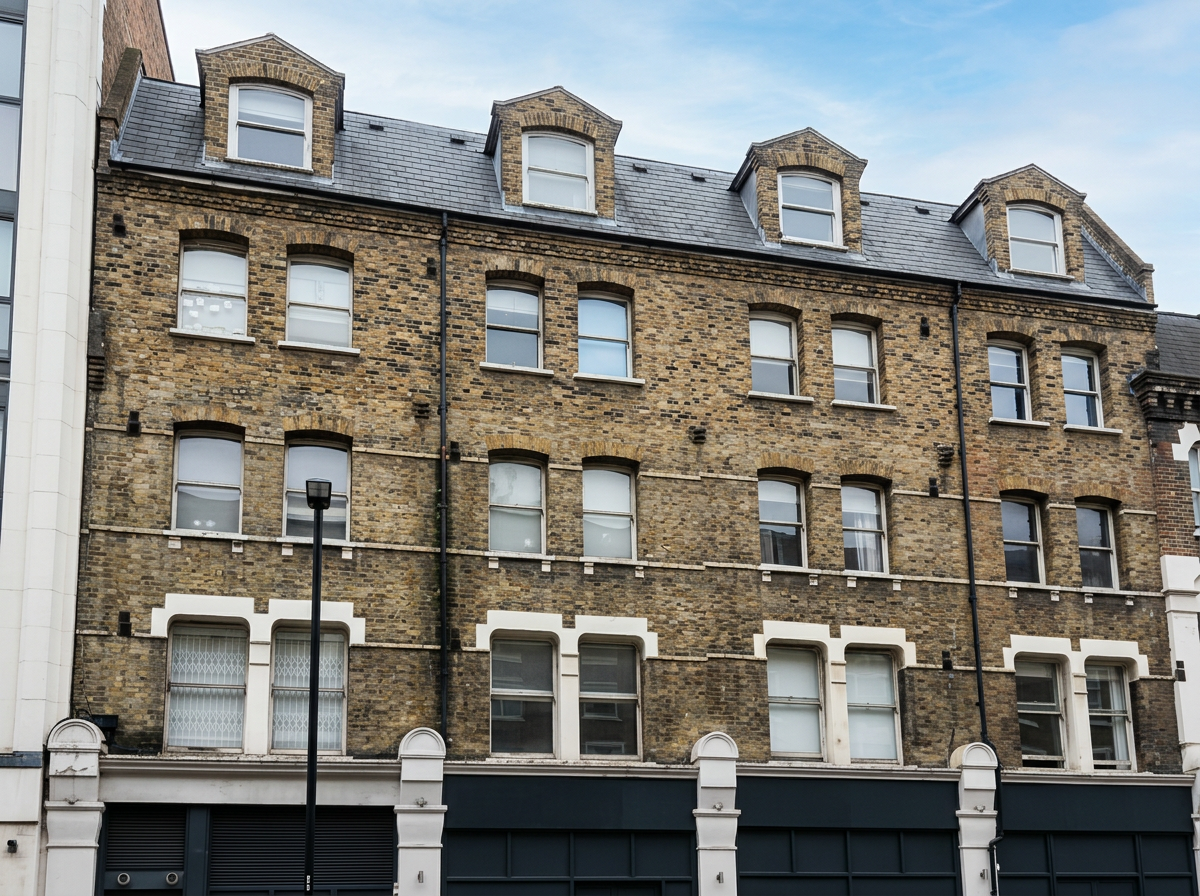
City Deal Estates
Delivered by Team EPCManaged portfolio energy assessments
“Period properties reviewed building by building.”
Fire Risk Specialists
South Kensington, London
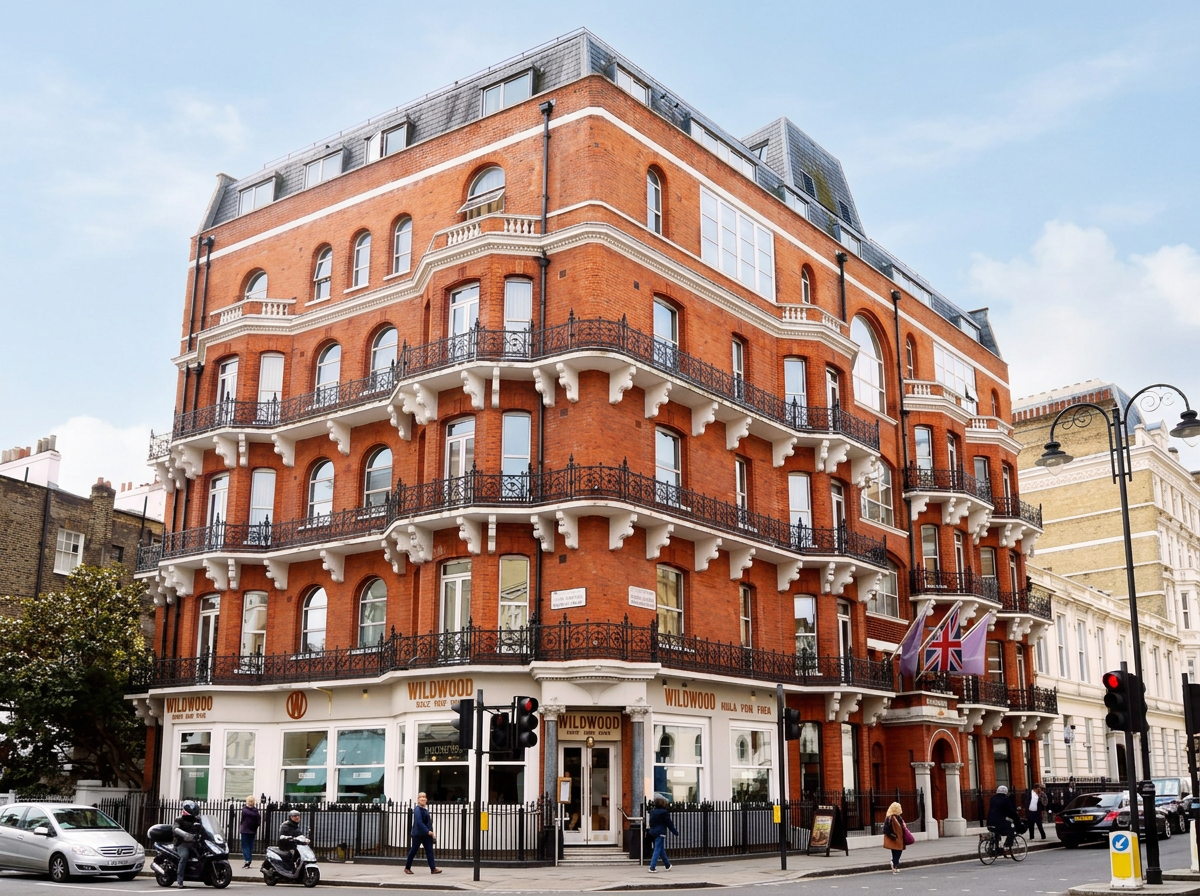
1 Harrington Gardens
Delivered by Fire Risk SpecialistsLuxury serviced apartments
“48 apartments. One coordinated fire risk assessment.”
Fire Risk Specialists
Colindale, North London
Bang Bang Oriental
Delivered by Fire Risk Specialists32,000 sq ft food hall
“25+ kiosks. High footfall. One rigorous assessment.”
Building by building — why phased sites are the risk
Circular 01/2026 is explicit that the arrangement applies building by building rather than scheme by scheme. On a 40-plot site delivered in phases over three years, an application covering the whole site does not freeze the standard for the whole site: each building still has to have started before the commencement deadline. In practice that means the plots at the end of the programme are the ones to model against the newer standard, and the ones most likely to need a fabric or heating change if that has not been anticipated.
Two ways to handle a phased site
Modelled early
Left to each phase
When the later phases are assessed
At design stage, against both standards
When the plots come up, often after tender
Specification risk
Known and priced
Discovered late, changed under pressure
Effect on programme
None
Redesign and re-tender of the affected plots
Higher-risk building work
For higher-risk building work and work to an existing higher-risk building, the relevant regulations come into force on 24 September 2027. The changes do not apply where a valid building control approval application was submitted to the regulator before that date and has not been rejected. Where protection begins with an application for one stage of higher-risk building work, it continues to later stages for as long as the original application has not been rejected or lapsed — which makes keeping that application valid a compliance issue in its own right.
What counts as work starting
This is the question we are asked most often, and it is the one to settle with your building control body rather than with a consultant. Building control bodies take a view on what constitutes a genuine start on a specific building, and that view is applied to the building rather than to the site as a whole. If a plot's transitional protection depends on commencement, get the position agreed and recorded in writing before the deadline, not afterwards.
How to work out where you stand
For a single building, the answer usually takes two minutes: check the date the application was given and the date work started or is programmed to start. For a phased scheme, it is worth tabulating the plots against the two deadlines once, at design stage, so that the standard applying to each plot is a known input rather than a late discovery. Our transition checker walks through the same logic if you want a quick sanity check before you ask us anything.